2022, Mar-
№24/37
№ 1/1
Next project: → Rain Calling
Previous project: ← Bodies V VII
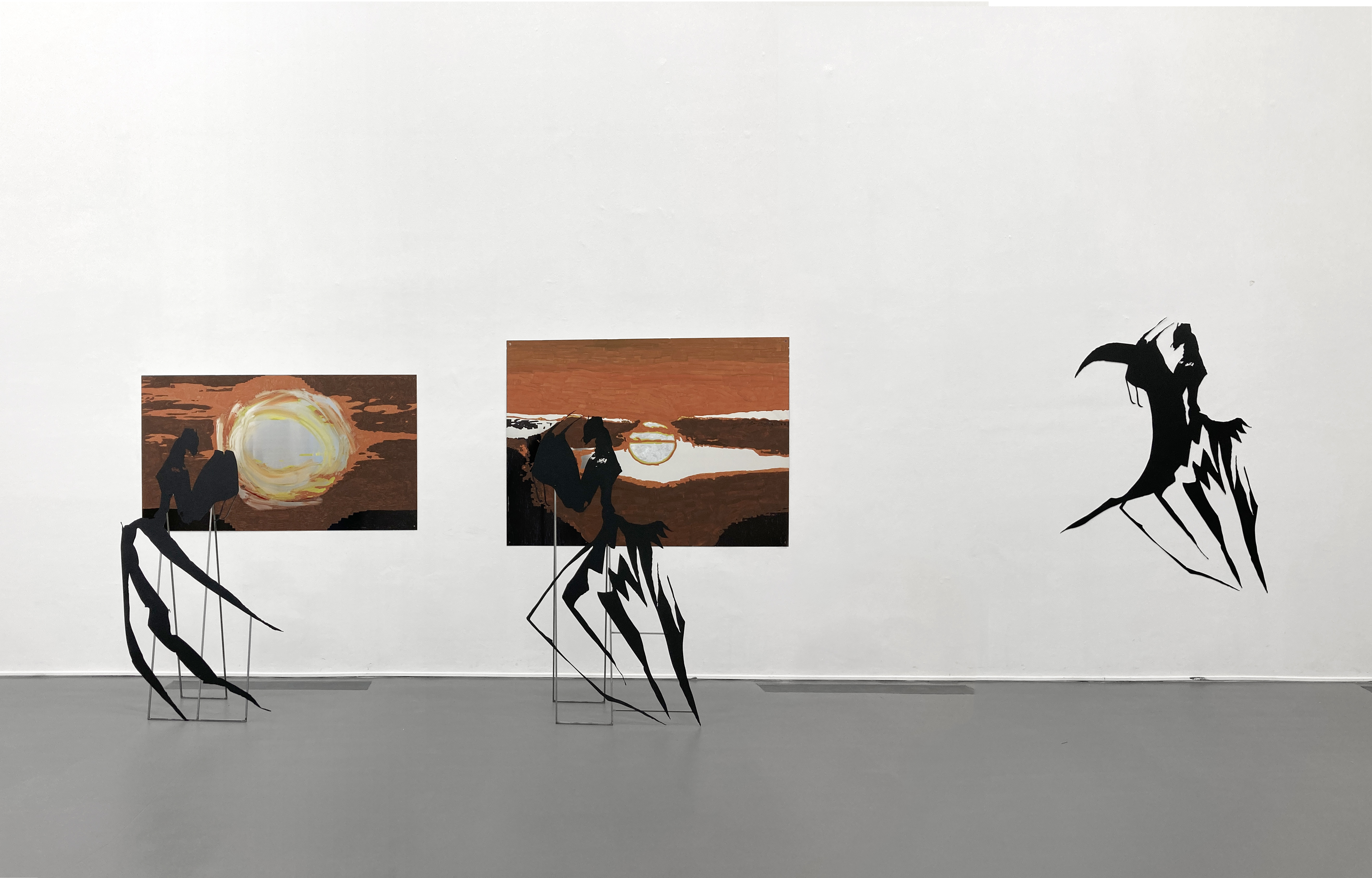 Lito Kattou, Myriad Worlds as Ours, 2021, Installation view
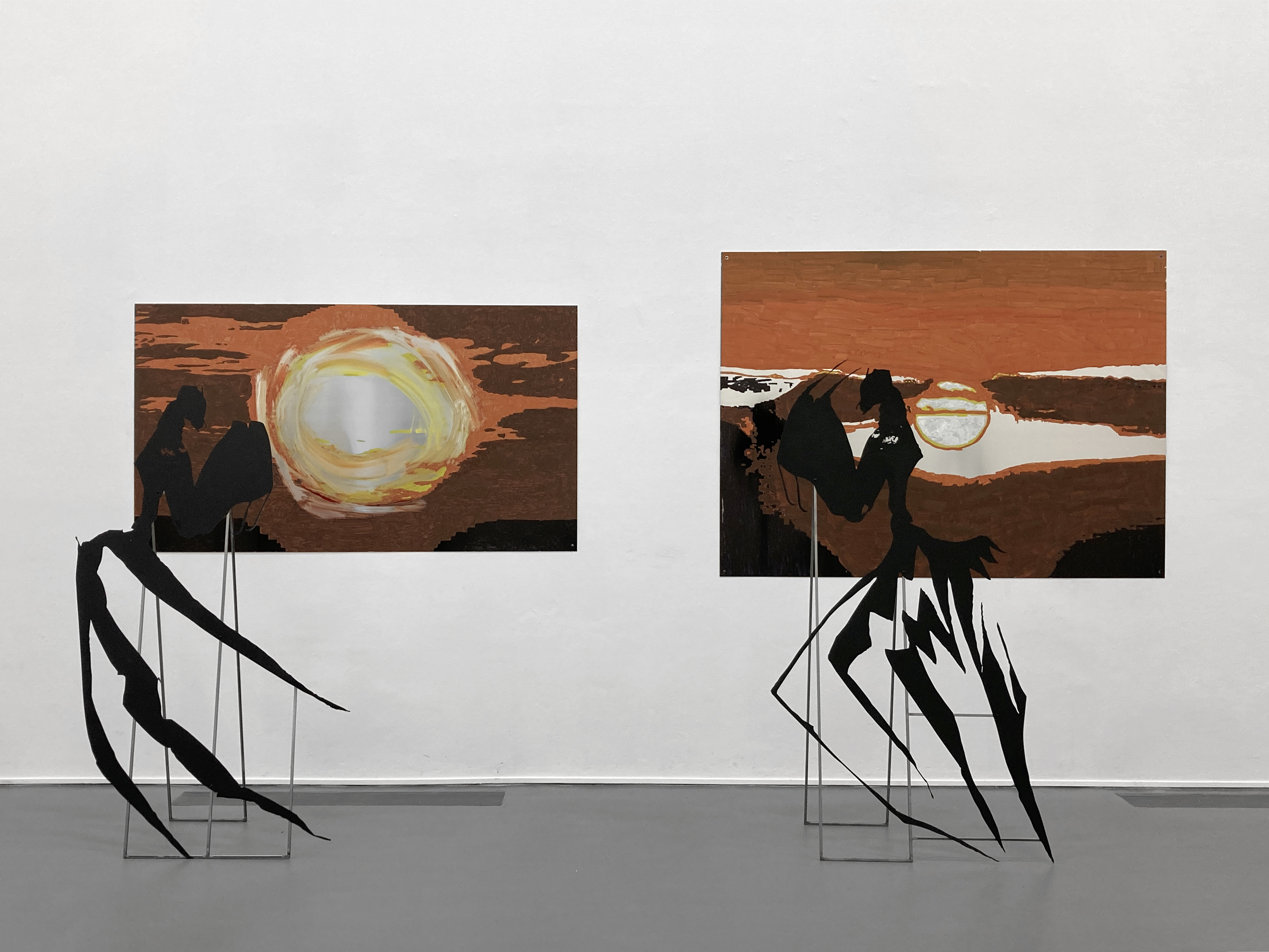 Lito Kattou, Myriad Worlds as Ours, 2021, Installation view, detail
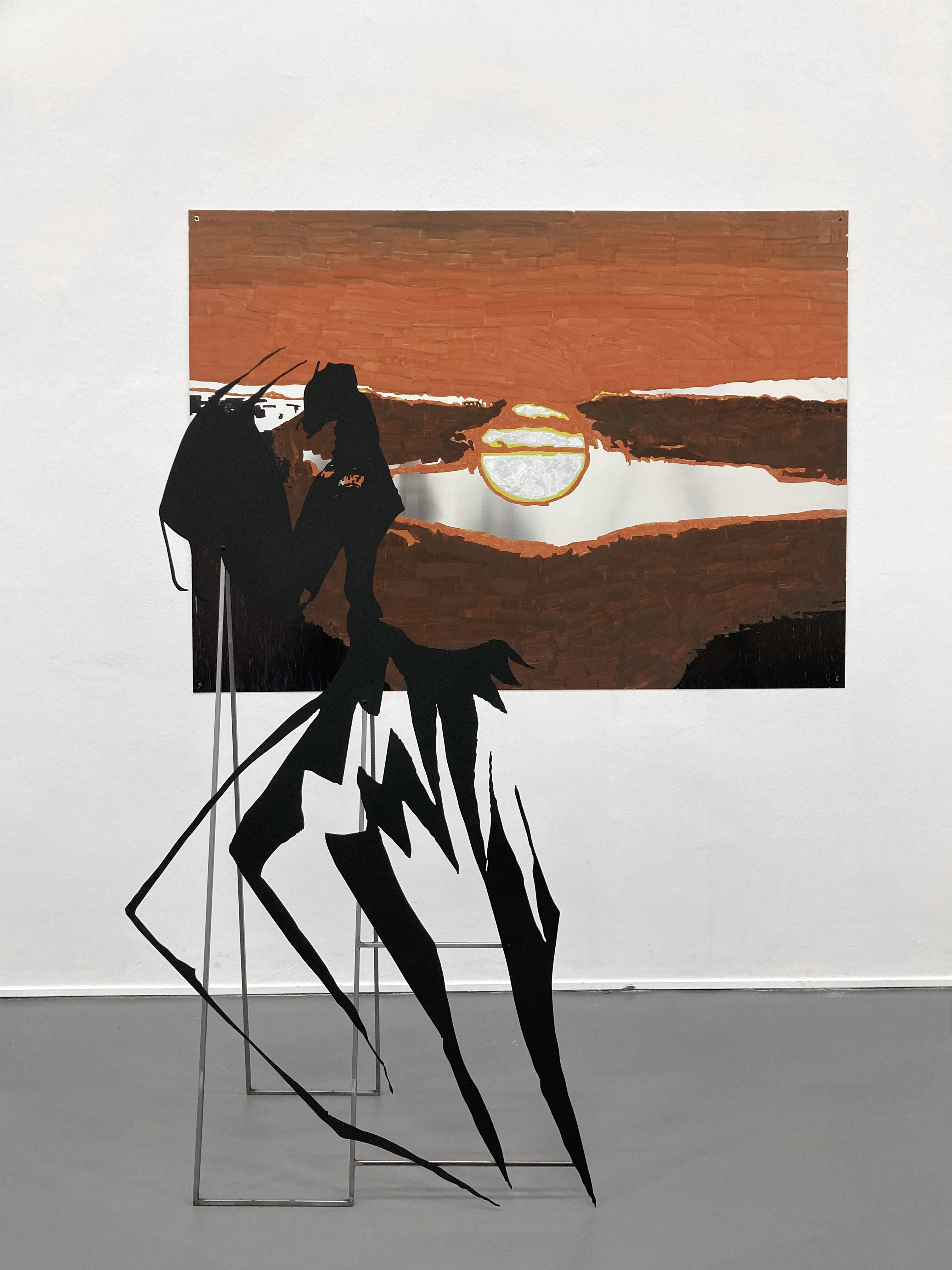 Lito Kattou, Myriad Worlds as Ours, 2021, Installation view, detail
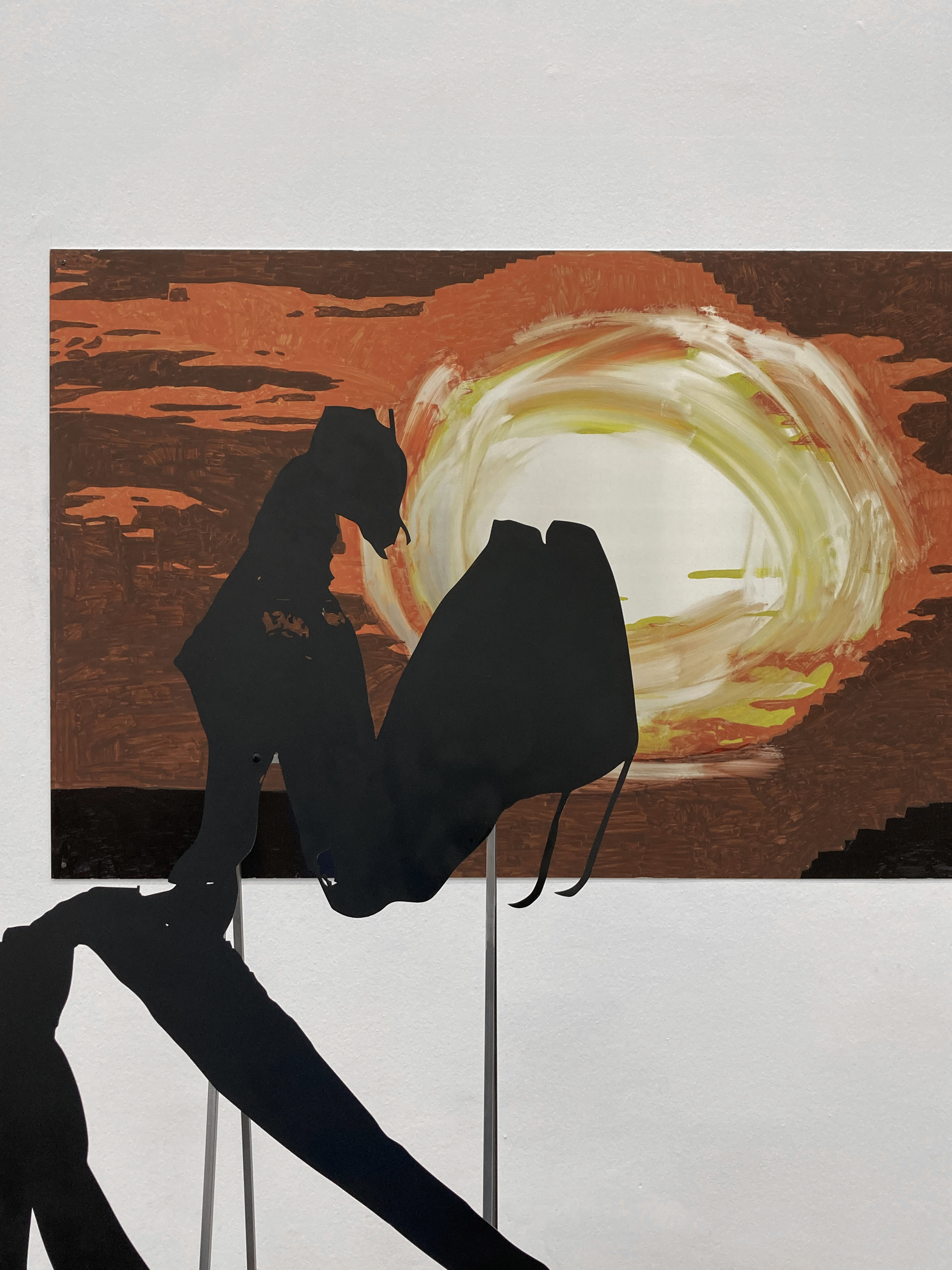 Lito Kattou, Myriad Worlds as Ours, 2021, Installation view, detail
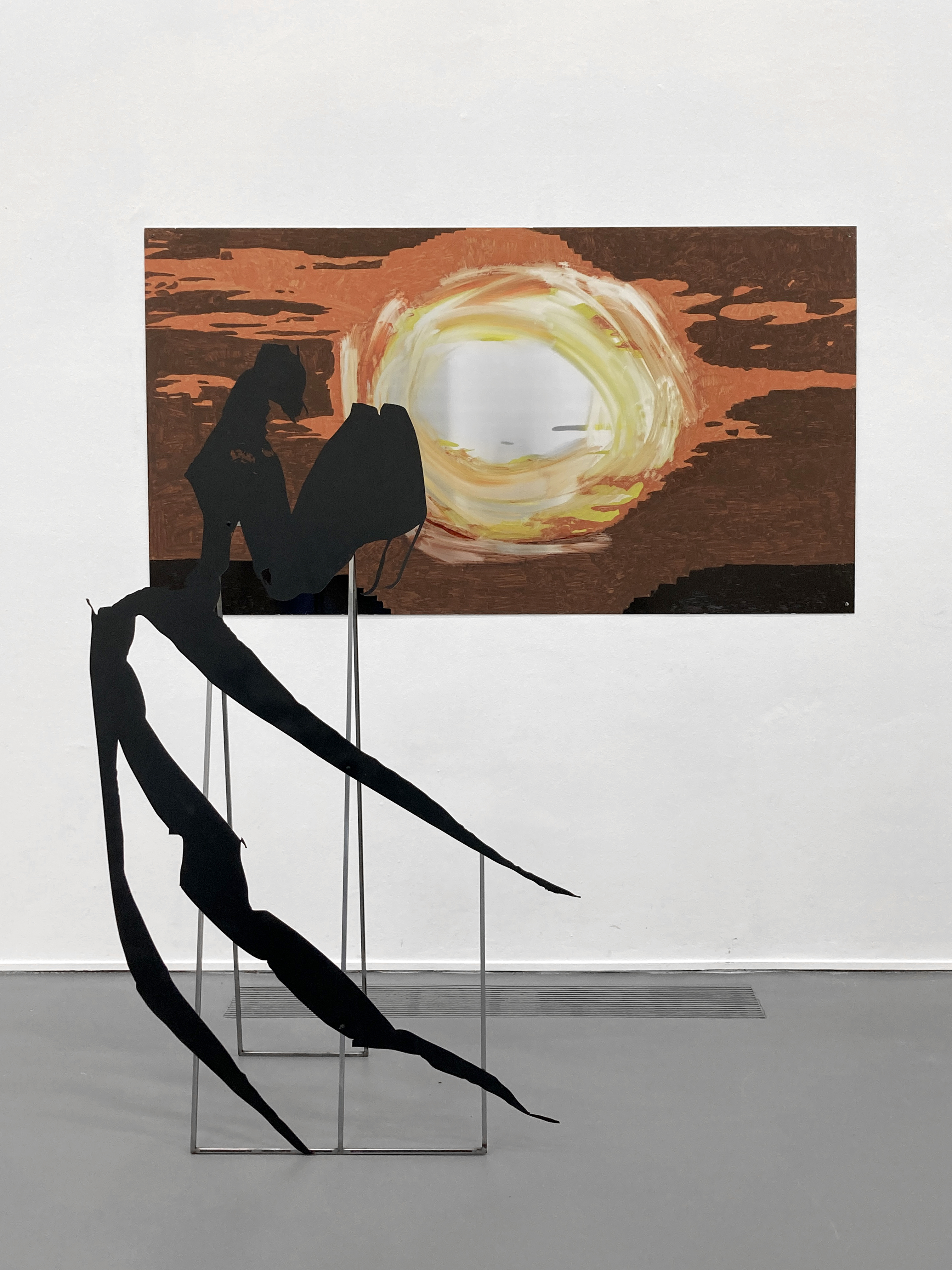 Lito Kattou, Myriad Worlds as Ours, 2021, Installation view, detail
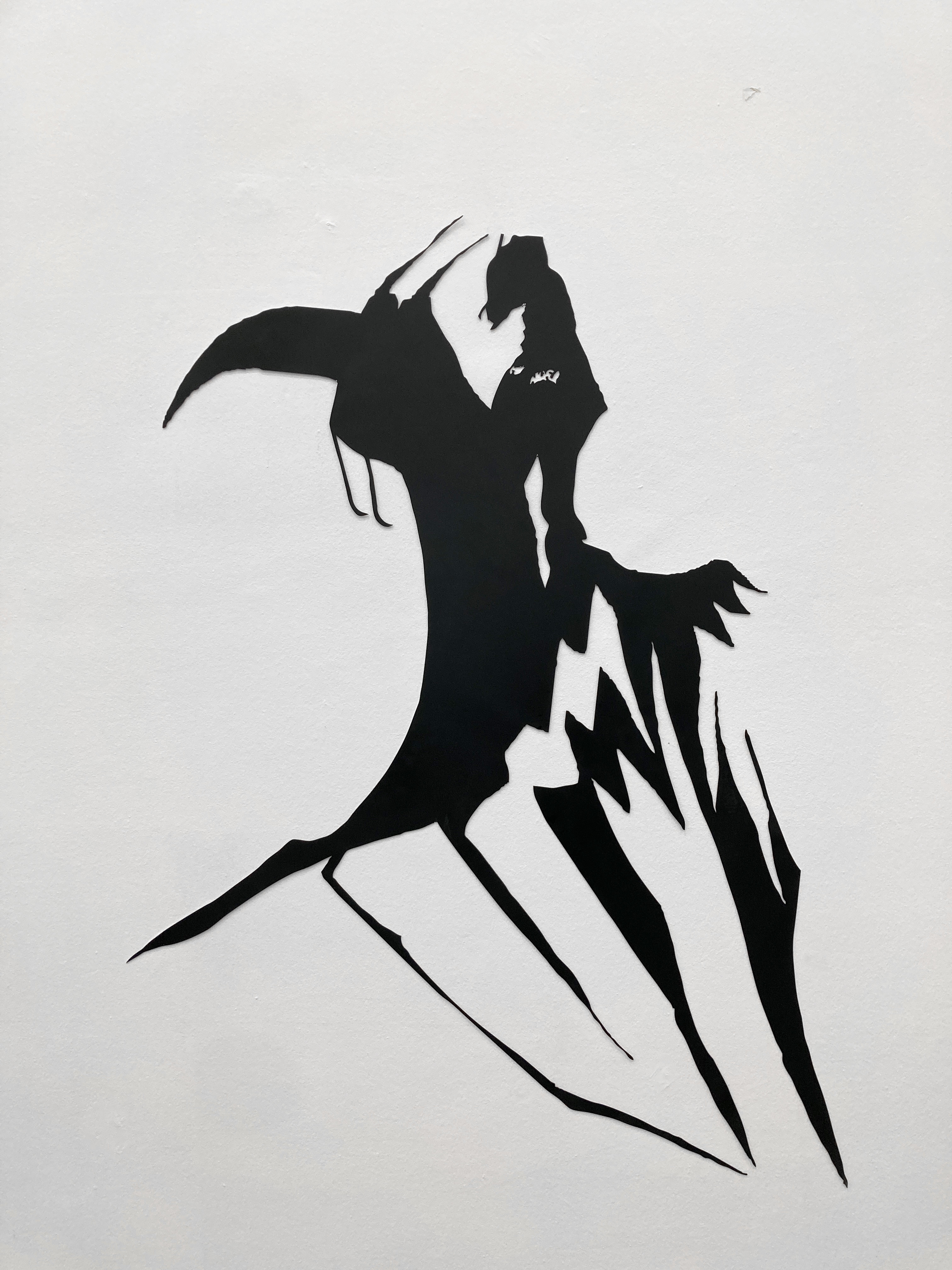 Lito Kattou, Myriad Worlds as Ours, 2021, Installation view, detail
Myriad Worlds as OursGAMeC Bergamo - Galleria d’Arte Moderna e Contemporanea di BergamoCur. Panos Giannikopoulos10 March 2022 — 29 May 2022
Dance Beyond IndividuationA plague passes through the skin, undoes the normal function of our organs. The body is in disarray. Perhaps we will recover and it seems things will go back to normal. Without worry over whether our organs are functioning, the boundaries of the body become re-secured. Or do they?We are taught from a young age to be intimately aware of the boundaries where our bodies end and other bodies begin. Encased in skin, we experience our bodies as a bundle of sensations that our mind and social common sense help us organize into body image and spatial awareness. But there are also those moments where the sense of the body and the sense of the self expand. Perhaps it’s a moment of intense empathy; we feel as if we can experience the sensations of another. Other times it could be the feeling that there is a nervous system or deeper sense of belonging that eludes our immediate comprehension. Despite how much we find ourselves staring at our own body and the bodies of others, so much of embodied experience exceeds the images we can make.Philosophers Giles Deleuze and Felix Guattari offer the existence of a “Body without Organs” to begin undoing the sense that bodies can be contained by the image forms we associate them with. For Deleuze and Guattari “A Body without Organs is made in such a way that it can be occupied, populated only by intensities. Only intensities pass and circulate.” Following Deleuze and Guattari, we wonder, what if a body need not be understood only as a scientific organism? What if the individuated human body is just one of the many guises that sentience appears through?I gaze at myself in the mirror and in my sway I see the shift of a mantis. I lie down and feel my body float–my bed is not my bed. The contact my skin makes with the sheets creates small intensities of sensation and enfold me into the materiality of cotton. Research into mycellium and posthuman animacies point us to more-than-human configurations where the horizon of a body’s unknown composition in culture, science, and cosmology unfold into new manifestations of awareness. The world transfers its impressions onto us constantly. We can only feel so much by ourselves.Julia Kristeva argues that “at the crossroads of body and meaning, of biology and sublimation it is perhaps dance more than other trans-linguistic experiences that informs and accompanies the process of transhumanization as it counters the crisis and exceeds the impending threat of apocalypse”. Dance is a way to move with others, to find more ways to create meaning and methods of relating signs with new constellations of significance.The fold of “others” need not remain with the terrain of human persons however. Our bodies coexist in complex ecosystems. We are affected by and affected by the environment. Our bodily materiality includes “nonhuman bodies, organic or inorganic.” For those marked within biopolitics’ animacy hierarchies that distribute chances towards life and death along lines of ability, race, class, and gender, some persons and entities are considered objects first, sentience second.Sculptures are choreographed, rhythm motivates animal-human-machinic imaginaries . Mantises molt their exoskeletons and we are dancing with words and matter trying to molt well-formed ideas. A dance between sentience, subjectivity and objectivity; AI dreams, body fluids, oil paint and transcorporeality. Lito’s Mantises reclaim multiple time zones and redress multiple (gendered) history injustices. A sun setting and a sun rising, hot plasma on an aluminium plate. Dancing Plague reclaims the museum as a dancing space–a club where animacy hierarchies loosen their hold. Kinesis runs through our normal distinctions allowing identities to become fluid and things to be symbiotic. In such space, the body becomes more than one, boundaries soften. In this porous and diffuse state what sorts of social bodies emerge that might exceed the scale of impending threats towards life?For the installation Myriad Worlds as Ours, three bodies of Mantises are situated in dialogue with a sunrise and a sunset, part of a series of paintings where the artist examines the circularity of time and its flow through the relationship of human and other-than-human agents with the environment and the astral phenomena of the Sun. The bodies of Mantises have been considered to have supernatural powers in many early civilisations not only for their praying posture but for being perceived as well as a trickster deity, a companion showing travellers the way home, an escort of the soul of the dead to the underworld, a necromancer, a soothsayer. The female mantis has been imagined as a femme fatale, a powerful predator and a symbol of female authority signified through sexual cannibalism applied in about a quarter of male-female sexual encounters of the species. Their body moves in repetitive swaying side-to-side movements as if resembling the vegetation in the wind, a mechanism also allowing them depth of field.Panos Giannikopoulos and Dahlia Li*Excerpt from the catalogue of the exhibition